There is an old adage in Australia that you can be under the influence of intense ultraviolet radiation in any capital city come midday, even if the air is mild; the 2026 forecasts are no exception. The figures for Sydney, Brisbane, Perth, Adelaide, Melbourne, Canberra, Darwin and Hobart will not be the same from one to the next, yet Very High or Extreme UV is to be expected in most of them.
Theodore Maris has put together this guide to set out what one might expect, as opposed to claiming to have the daily reading months in advance. In truth, UV is a matter of local weather, date, latitude, ozone and whether there is smoke or cloud in the way. Make use of the comparisons here to organise your day, but do not go to the oval, backyard barbecue or beach without consulting the current forecast first. For summer holiday sun protection advice, plan ahead before you travel.
What To Expect In Australian Cities
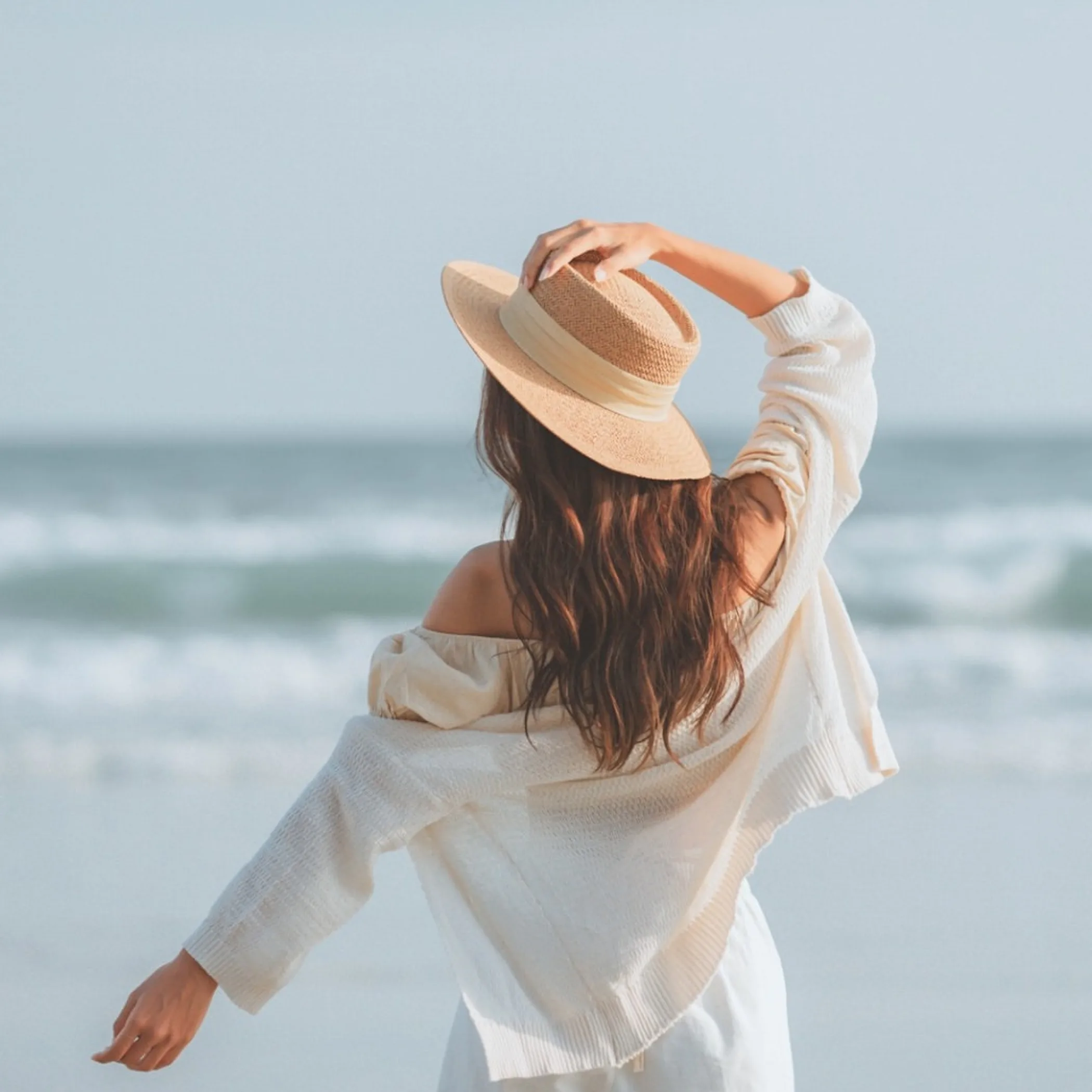
One should not make it a question of hot against cool. Latitude and the angle of the sun are far more determinants of UV exposure. Northern cities tend to have the stronger summer UV, but clear and bright days in the south can yield equally perilous numbers.
These are indicative of the kind of peak conditions you will find under a clear sky, not a sure thing for the season. A bit of cloud may bring the reading down, or again it may not, and the sun is as likely to cause problems when all eyes are on the temperature.
| City | Typical Summer Daily Peak | Likely Category | A note for planning |
|---|---|---|---|
| Darwin | Very high to extreme | Very High or Extreme UV | You can still get strong UV between showers despite wet season cloud. |
| Brisbane | Very high to extreme | Very High or Extreme UV | Leave the park, sport and beach for outside the height of the day. |
| Perth | Very high to extreme | Very High or Extreme UV | Expect long stretches of intensity with the clear skies. |
| Sydney | High to extreme | High, Very High or Extreme UV | Reflective surfaces and harbour glare will up the practical exposure. |
| Adelaide | High to very high | High or Very High UV | Sunny and dry will feel fine but the UV will be there. |
| Canberra | High to very high | High or Very High UV | With the elevation and open inland skies, protection is in order. |
| Melbourne | High to very high | High or Very High UV | Do not let a cool change lull you into leaving the skin exposed. |
| Hobart | Moderate to very high | Moderate, High or Very High UV | Midday on a clear summer day is enough to burn. |
It is evident from the table that a forecast for one city does not apply to the rest of the country. Hobart’s readings are lower as a rule, whereas you will find Darwin and Brisbane at the top end. That said, it is no excuse to put the sunscreen back in the glovebox for a trip to Melbourne or Hobart.
Interpreting The Numbers
An 8 in Sydney calls for as sensible a reaction as an 8 in Melbourne. The index is telling you the strength of the radiation, nothing about how tanned you wish to be or the state of the beach. Across much of eastern and northern Australia, Very High and Extreme UV should be considered part and parcel of the 2026 summer. Southern cities can be more variable but a clear-sky peak will put a sunburn on you in short order. Those of fair complexion, children, outdoor workers and anyone on photosensitising drugs would do well to be wary.
Summer Levels By City
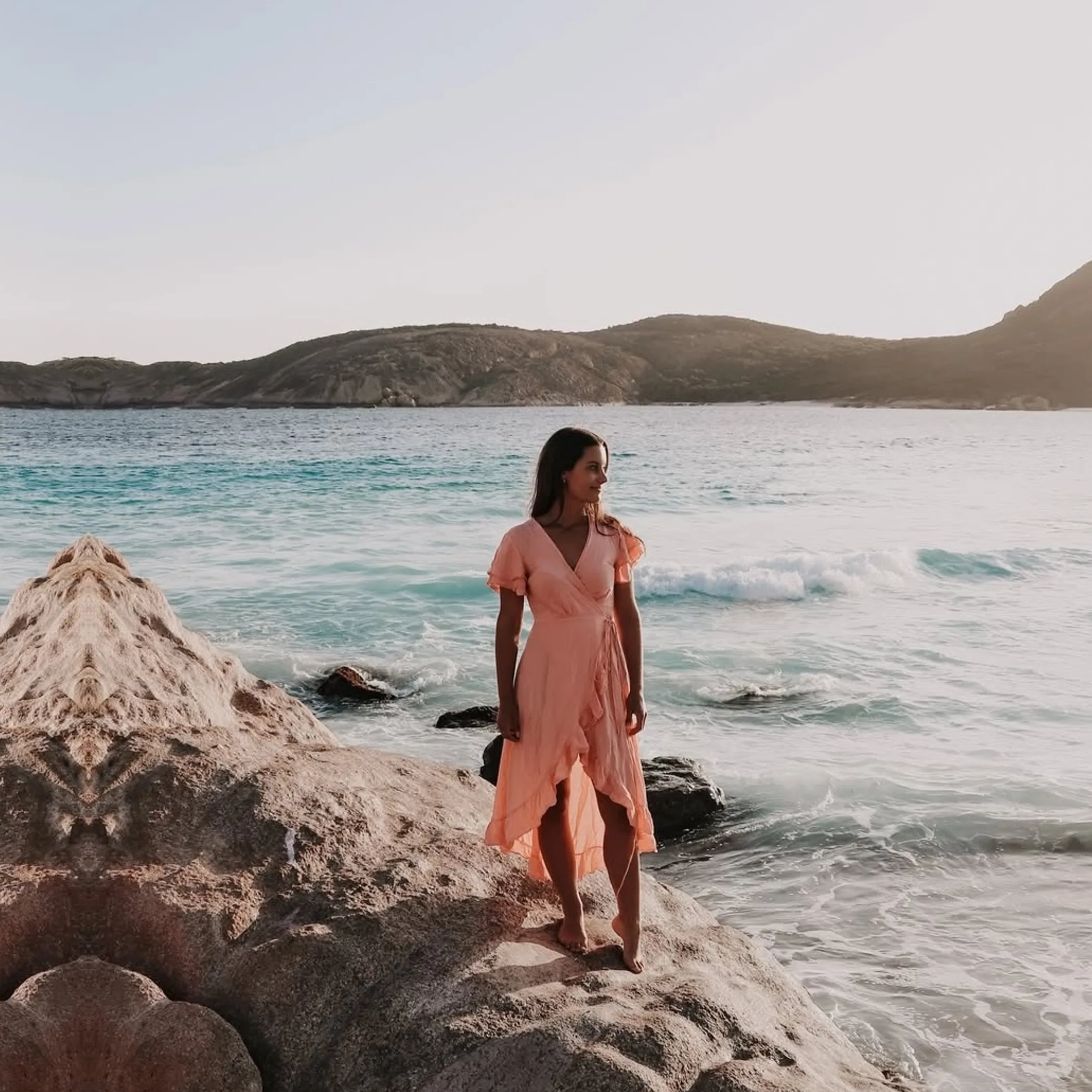
Every capital has a pattern of its own and an awareness of it will allow you to time your exercise, sightseeing and transport to the safer hours. Consider these notes as guidance for your planning, but they are not a replacement for the Bureau of Meteorology or a real-time monitor on the day.
In the north and west
When the wet season is upon Darwin in summer, you can have thunderstorms and heavy showers put in a quick appearance. Clouds might take the edge off some of the ultraviolet but do not count on it. The sun has a way of making a comeback with some force once the rain has passed. Travellers to the Top End should also heed any cyclone alerts from November through April.
Then there is Brisbane where a clear summer day will put out Very High or Extreme UV. A brief stroll to the foreshore could leave you with more exposure than you thought thanks to the reflected light off the concrete, sand and water. There is a classic trap in the Gold and Sunshine Coasts: the breeze gives one the impression of coolness but the UV is not neutralised for all that.
Then you have Perth where the summer days are long and bright, with clear-sky UV index figures at the top of the Australian scale. One would be wise to put shade and water in the plan before setting off for Cottesloe, the parks on the Swan River or Rottnest Island. And a hat that can stand up to a sea breeze is of more use than some stylish piece of headwear that ends up in the Indian Ocean.
The Capitals of the South and East
Sydney’s beaches, harbour paths and open grounds for sport will see Very High if not Extreme UV in summer. The exposure seems to be intensified by what comes back from the sand, buildings and water even if the UV index is derived from the radiation as a whole and not how it feels.
In Adelaide the dry heat and sun go hand in hand. It is not as humid as Brisbane perhaps but the sun is no less unrelenting. Make an early start on outdoor business, find some shade at the peak of the day and have your water to hand.
Canberra’s clear skies and inland location call for some respect. After a cool morning the midday UV can be strong. Do not wait until the skin is warm to put on protection when out at Lake Burley Griffin or some other attraction.
Melbourne is given to sharp temperature swings, a hot morning giving way to a cool change. The UV index Melbourne summer 2026 may show high readings come the drop in temperature. I have been taken in by the breeze in Melbourne and found my forearms had a better account of the day than I did.
Hobart for the most part is on the low side of the capital-city equation yet on a clear day the UV index Hobart can get to High or Very High. You could easily be in for a long session of exposure with an outdoor lunch or a walk about kunanyi/Mount Wellington if time gets away from you.
Daylight and Peak UV
Travellers in Australia should bear in mind that the middle of the day, solar noon being the focus, is when UV is at its peak. But do not assume that is 12 pm; the position of the city, daylight saving and time zones will dictate when the sun is at its zenith.
A good rule of thumb is to be more careful between 10 am and 3 pm, and make that window wider if the daily peak is extreme. An hourly UV forecast has more to offer than the clock, in Darwin, Perth and the daylight saving cities in particular.
Making Allowance For The Daily Peak
Start the day early if you are to make of a beach or sightseeing route what you can of it, then have a leisurely lunch in the shade and pick up again in the afternoon. It is no great glamour but there is something to be said for getting to the car park before it is as full as sardines.
For any outdoor sport, stay on the shaded sidelines and do not think a short match is without consequence. School holiday children can put on a lot of UV exposure going from the water to the sun and back without a thought for the time.
What the UV Index Means
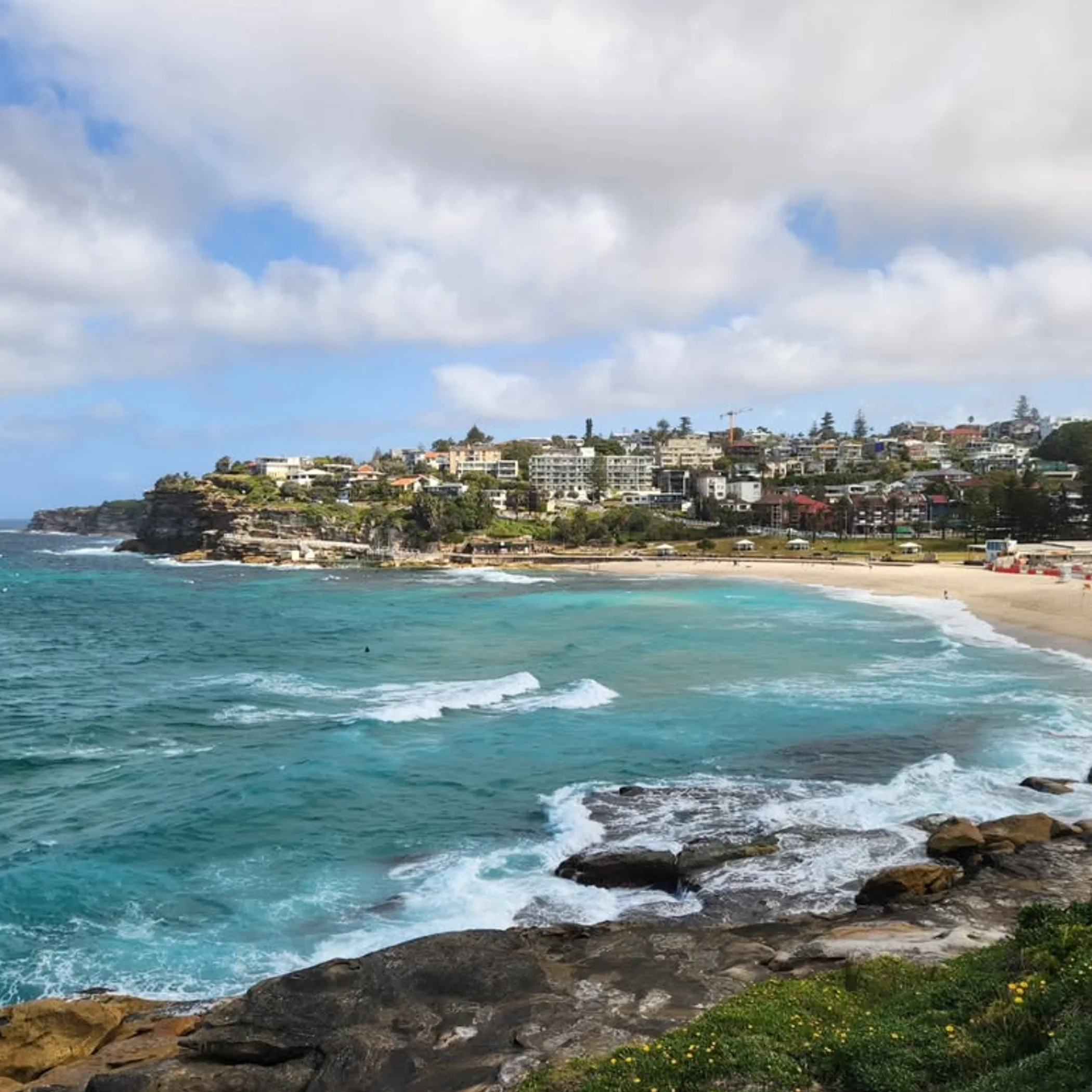
It is a way of putting ultraviolet radiation on a simple scale. The figure indicates the likelihood of damage to the eyes and skin, nothing to do with brightness or the thermometer.
The authorities in Australia will tell you to put on sun protection once the UV index is 3 or over, so on an overcast or mild day it is still pertinent.
| UV Index | Category | What To Do |
|---|---|---|
| 0–2 | Low | Not an emergency but sensitive skin and long exposure warrant some attention. |
| 3–5 | Moderate | Extended time outdoors calls for sunscreen, a hat, sunglasses and shade. |
| 6–7 | High | Keep out of the strongest period and limit unprotected time. |
| 8–10 | Very High | Essential to be protected and to avoid the middle of the day. |
| 11+ | Extreme | Curtail your plans for outdoors and get out of the peak UV. |
Do not mistake the UV index for a timer on your minutes before you burn. Altitude, skin type, the way you put on your sunscreen and the like will alter the outcome. A sunburn is just damage, not an indication of a good holiday.
Cool Cloudy Days and Burning
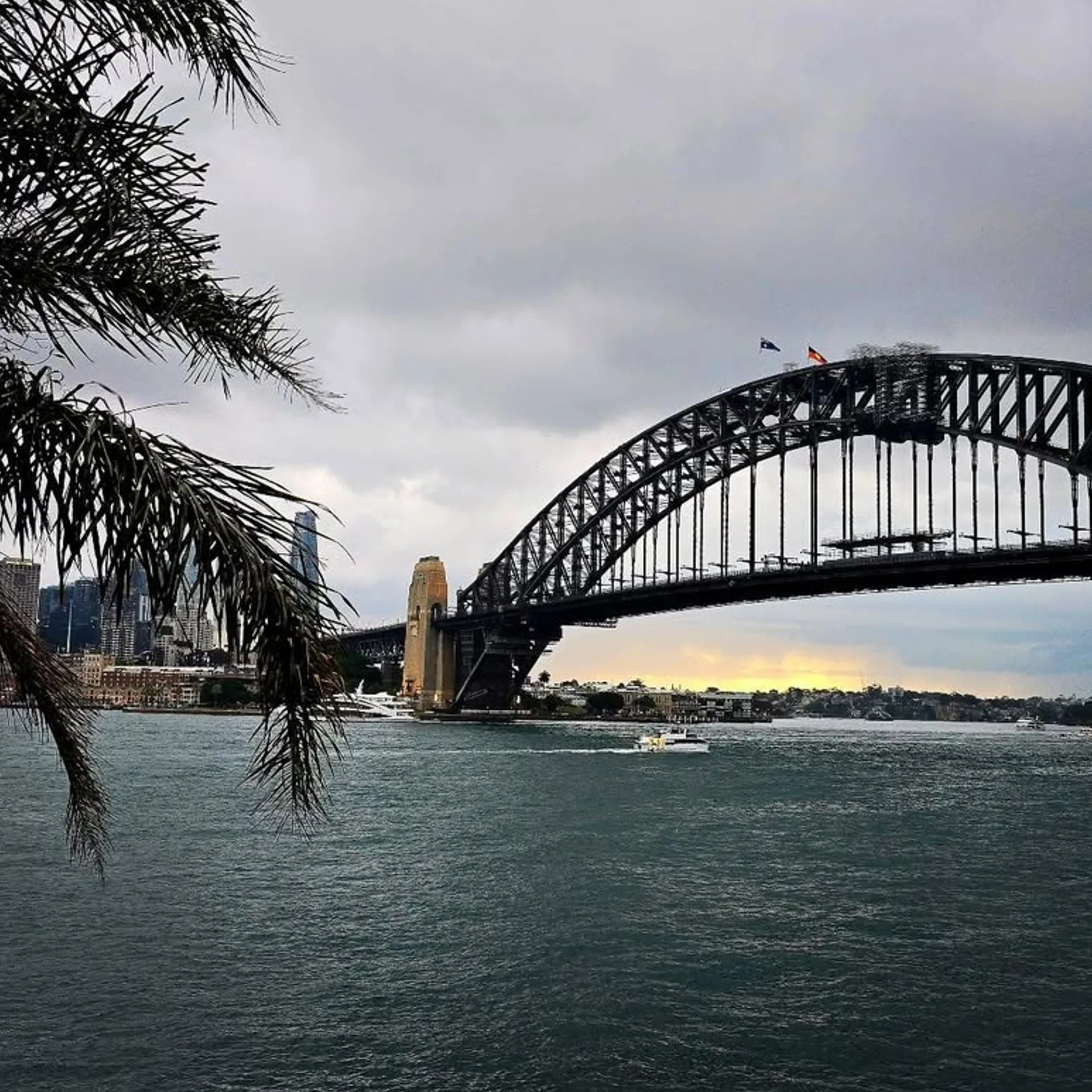
They are two different things, ambient temperature and UV. A southerly can take the edge off the temperature but leave the ultraviolet levels high. Nor does cloud cover eliminate all the radiation.
A broken cloud cover is enough to put conditions in a state of flux. One sees people let their guard down once the sun is gone, only to burn in the bright intervals or after a swim has done its work on their sunscreen. I would put it down as one of the most frequent errors made on an Australian day trip: you will have a jumper for the cold but no hat for what is overhead.
Expectation Versus Reality
It is easy to assume that where there is heat there is high UV and with cooler temperatures the opposite holds true. In fact one should be looking at latitude, sun angle and how clear the sky is for any indication. There is no tropical heat required for Melbourne, Hobart or Canberra to put out strong summer UV.
Then there is the matter of radiation being thrown back by sand, water, pale paving or snow. Do not think a cloudy day at the beach gives you licence to do as you like, nor does taking a seat under a tree whose canopy is too thin to do much for your exposed skin.
Checking The Latest Daily Forecast
While a seasonal piece may serve to make comparisons between cities, nothing but a daily reading will tell you of today’s weather. Before you set off, have a look at the Bureau of Meteorology forecast; if a long activity is in prospect, note the hourly pattern and the peak for the day.
The Bureau of Meteorology is the authority to go by for UV information and forecasts in Australia. For practical guidance on skin cancer prevention there is SunSmart and the Cancer Council Australia, and ARPANSA to further national understanding of ultraviolet radiation.
Use The Forecast Properly
Do not just take the index for the nearest big city, see what it is for your location. An inland district or an elevated spot will have different weather and cloud than a coastal suburb. Should a storm or smoke plume come through, recheck.
On a one-day excursion it is as well to check before breakfast and have your protection to hand when you leave, making adjustments if the route alters. Travellers on the Stuart Highway or the Gibb River Road in the Red Centre would be wise to have plenty of water and not count on mobile coverage to make up for a plan that has been poorly thought out.
Practical Summer Sun Protection
There is no need to complicate good protection, it is portable and should be in place before the skin gets hot. When it comes to advice for a summer holiday, layer up with a broad-brimmed hat, wrap-around sunglasses, shade, clothing and a broad-spectrum SPF 30+ sunscreen.
Think of sunscreen as part of the overall plan rather than an excuse to be in the direct sun all afternoon. Put it on again after you have been swimming or have towelled off, and observe the product instructions. It is especially advisable for children and those who are fishing or hiking for hours on end.
- Before you go, make sure you have seen the hourly and peak UV forecast.
- Where you can, put off sport and sightseeing until after the worst of it.
- Shade is fine but be aware that beside the water or on pale ground reflected UV will find you.
- Put on your SPF 30+ on any skin left to the elements and reapply per the directions. A broad-brimmed hat and protective clothing are a must, as are wrap-around sunglasses.
- In remote parts of the country take water and keep an eye on the children for signs of heat.
If you are going for a swim, pick somewhere with a safe way back to your transport and some shade and facilities to hand. And do yourself a favour and check with the local authority first; beaches and parks can have everything from bushfire rules and storm warnings to seasonal closures and altered parking. A UV forecast will not inform you as to the status of a car park, road or walking track.
Who should be more careful
Those with a history of skin cancer, anyone on medicines that make them photosensitive, people with sensitive or very fair complexions, outdoor labourers and young children would do well to be conservative. The same goes for visitors who have not made the acquaintance of the Australian sun; one has to be wary of a deceptively cool breeze and the fact that shade is often further away than it appears.
Should one feel unwell in any way, with dizziness, confusion, nausea or an odd sort of fatigue, the sensible course is to get out of the sun and put some distance between oneself and the heat. If the symptoms are of a serious nature or will not abate, medical attention is called for. Severe symptoms are not cured by a cool drink alone, and there is a distinction to be made between sunburn and heat illness.
Summer UV Questions Answered
We have put together the short, practical answers to what locals and travellers most frequently put forward when looking at the kind of summer UV index Australia puts on. In the end though, the day to day conditions are what matter, not the wider seasonal trends.
Which City Has Lowest UV?
By virtue of its latitude Hobart is usually the capital with the least potential for summer UV, but on a clear day it can put in numbers in the High to Very High range. Do not mistake “lowest” for an all clear to be without protection; see what the local reading is for the day.
Will Summer 2026 Be Hot?
You will not find a definitive answer from a UV comparison. A UV and a temperature forecast are two different things; even a cool day can be strong on UV. For an idea of current conditions look to the Bureau of Meteorology’s daily and seasonal outlooks instead of this piece for a heat forecast.
Has Australia Hit 60 Degrees?
Not officially in terms of air temperature. Unofficial reports have been known to conflate surface or ground temperatures with the standard measurement. But then again, one does not need extreme heat to have dangerous UV so the temperature record is no guide for sun protection.
Is Australia In El Niño Or La Niña?
The climate phase is subject to change and best verified with an official outlook when making travel plans. While either will have an effect on patterns of rain and temperature, neither will tell you what the UV is like in a given city on a given day.
Do Clouds Block UV?
They can diminish it but not entirely. There is still the possibility of a strong exposure under broken cloud and reflective surfaces will add to it. When the sky is grey and the index is 3 plus, put on your sun protection.
Plan Smarter Under The Australian Sun
It is the forecast you consult before you go out that is of any use. Sydney, Adelaide, Canberra, Melbourne and Hobart can all see considerable summer UV in 2026, while the northern and western capitals will have the strongest of conditions.
Let the city comparison be for general planning and the daily forecast for making decisions; common sense dictates you take cover in the shade. A five minute check and a hat and water bottle before you set off is worth it to avoid a painful evening. As for my kelpie Moss he would run after a stick in full Extreme UV if left to his own devices, which is why he is not put in charge of the holiday packing.
