Hot Water Maintenance Checklist AU
There is no need for costly repairs or the prospect of a cold shower when some routine care will suffice. The same applies to averting water damage. Be it an electric storage unit, a solar hot water system, a heat pump or gas storage heater, the fundamentals do not change: put it through its paces, see to the safety controls, put the area in order and call in a professional as the occasion demands.
Theodore Maris here. I have come to view household maintenance in much the same way one does checking the tyres prior to a lengthy drive. Not particularly thrilling, but then again you do not want to be left stranded at an inopportune time. What follows is a guide for the Australian homeowner on what can be done safely and what calls for a licensed tradesperson, and with what frequency.
Start With A Safe Inspection
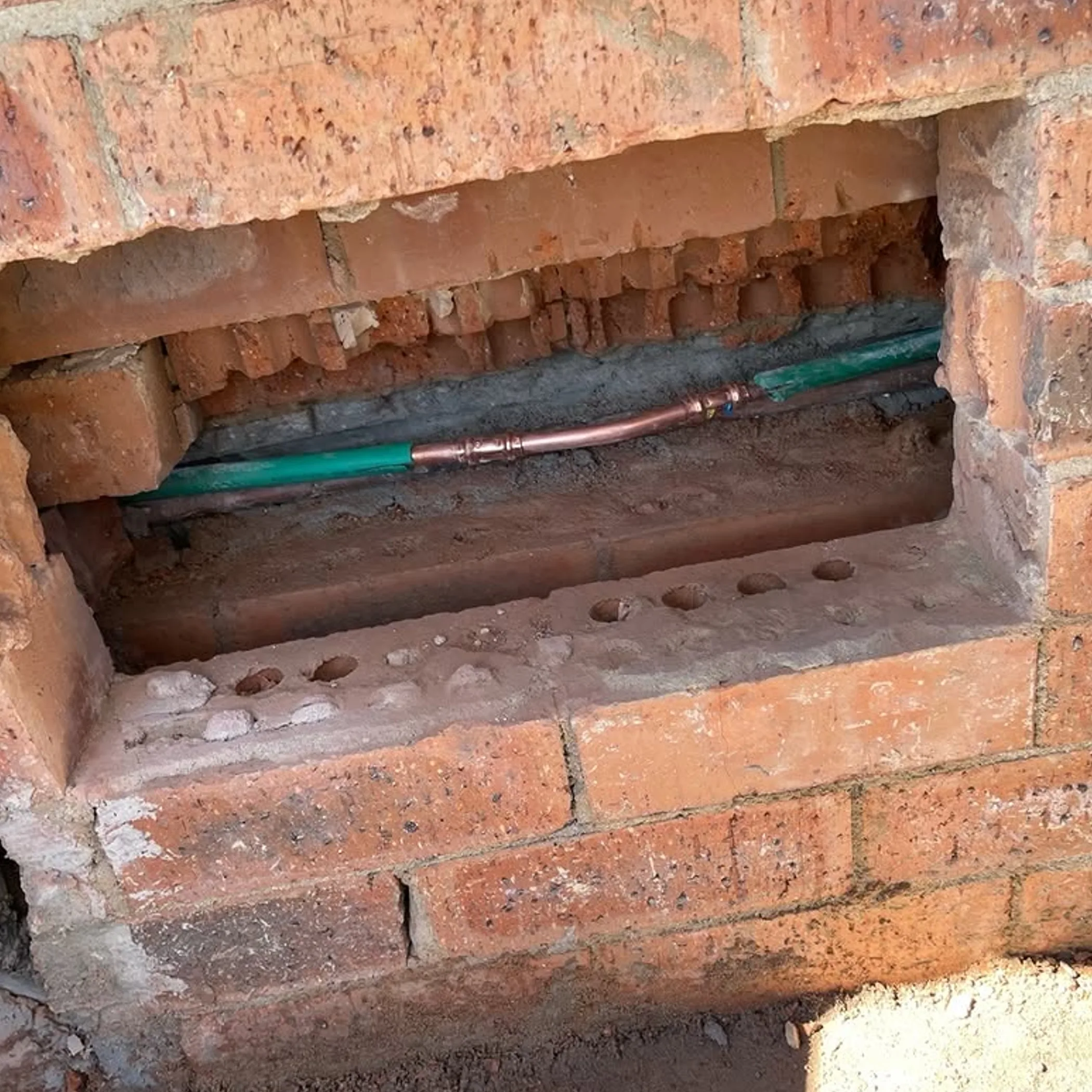
You can spot leaks, corrosion or any unsafe state of affairs in a matter of minutes with a visual inspection, before they are cause for alarm. Make sure to do this in daylight and with children and pets out of the vicinity. Under no circumstances should covers or panels be taken off electrical or gas equipment.
First ascertain the type of system and where the water isolation valve, energy switch and temperature-pressure relief valve are. Refer to valve testing procedures before proceeding. Any hint of gas, steam, a strange hissing sound or water pooling quickly means you are to put some distance between yourself and the unit and get in touch with a licensed professional or emergency service.
Visible Warning Signs
Around the base of the tank look for any dripping, wet insulation, rust or white mineral build up. Pipe insulation that has been cracked by the sun is another thing to note. An occasional drip from a relief valve while heating is to be expected, but if the discharge is constant it requires your attention.
Make certain the overflow pipe is unobstructed and pointed down, not in a place to make someone slip. In bushfire country, external equipment should be free of leaves, mulch, cardboard and the like. And while a hot water unit may make for a handy shelf, or so the spare pot plant would have you think, it is not one. Do not use it as such, nor paint over the labels or tie things to the pipework.
A Maintenance Schedule That Works
Incorporate it into the regular household routine. Most systems will be well served by a cursory once-over each month, something more thorough once a year and professional servicing at the intervals the manufacturer puts forward.
Then there are older systems, or those in a home with poor water quality or a lot of coastal air, which warrant a closer eye. A large family puts more demand on a system than a single person, so the calendar is not the only consideration.
| Task | Suggested Timing | Who Should Do It | Why It Matters |
|---|---|---|---|
| Visual check for corrosion and leaks | Monthly | Homeowner | To catch early deterioration and water damage |
| Clear stored items and leaves | After storms and monthly | Homeowner | For the sake of airflow and to mitigate fire risk |
| Temperature-pressure relief discharge | As per the maker’s instructions | Homeowner (if told to) | To be sure the safety outlet is clear |
| Professional service for safety and performance | One to two years normally, or as specified | Licensed plumber/gasfitter | There are components you should not be dismantling |
| Anode (storage tanks) | Per manufacturer’s recommendation | Licensed plumber | Ward off internal corrosion of the tank |
| Full replacement | When operating costs go up or faults are frequent | Licensed installer | So as not to keep shelling out for repairs on an old unit |
The Australian Government would have you believe hot water accounts for about a fifth of the energy in a home, though usage, climate and system type will alter that figure. Poor performance is not just a question of reliability, it is wasteful of energy.
Put the Safety Controls to the Test
These devices exist to shut the system down or let off pressure in dangerous conditions. They are not some form of decorative plumbing; an incorrect test could result in scalding or a damaged piece of equipment.
Familiarise yourself with the manufacturer’s instructions before you put a hand to a button or lever. If you cannot find them, or the valve is corroded, the discharge pipe is in disrepair or you are not certain of the component, leave it to a licensed plumber.
Relief Valve Checks
To verify that the valve reseats and water is discharged, some makers will instruct you to give the lever on a temperature-pressure relief valve a brief lift. Do not put your hand under the outlet to make a test of it without first being sure of the procedure; the water can be very hot.
Then there are other systems with their own safety controls and testing stipulations. The right way to test a valve is dictated by the manufacturer, the installation and the appliance in question. Let a qualified plumber do the checking of the valve, pressure settings, discharge line and so on. He will be able to do an inspection of the whole thing without making a bathroom renovation out of it.
Under no circumstances should one block or cap a relief valve, nor permanently tie it open. It is a matter of safety, so when you come to replace it, do not put in something that is only a likeness. An approved part is called for and a licensed professional to put it in.
Efficient Electric Systems
On the face of it electric storage is simple and dependable. But maintenance has to address the likes of leaks, corrosion, the sacrificial anode in the tank, electrical safety and how the thermostat is performing.
Leave the internal wiring and exposed terminals alone and do not take off the cover. A licensed electrician is the one to deal with fixed wiring and circuits. Should the circuit breaker trip time and again, consider it a fault and not a reason to keep resetting it.
Heating Issues
Inconsistency, water that is unduly hot or has gone lukewarm of a sudden could be down to the control, element or tempering valve. A slow recovery after use might mean the element is on its last legs or the system is undersized for the home.
There is no point in cranking up the thermostat. That will see a rise in pressure and energy consumption as well as the danger of scalding. While tempering controls are standard on Australian installations to lower the temperature at the bathroom outlets, they need to be adjusted and inspected properly.
Gas And Continuous Flow
For gas storage and continuous flow units you want good combustion and unobstructed flues and ventilation. Make sure there is nothing in the way of the airflow around the appliance, be it garden tools or boxes.
When the pilot will not remain lit or the burner is making odd noises, or the unit is shutting down, get a licensed gasfitter. Do not try to be inventive with wire or tape or what you read online over a gas fault; this is not the place for backyard engineering.
Carbon Monoxide
One cannot tell from the smell if there is a problem with carbon monoxide given it is odourless and colourless. Nausea, dizziness, a headache or an unexplained fatigue may be due to many things but if exposure is suspected then fresh air and medical attention are in order at once.
Make certain the ventilation openings are clear and never have an outdoor gas appliance running inside. An alarm is an extra precaution but does not take the place of having the job done right by a professional.
Solar And Heat Pumps
These will save on electricity or gas but the collectors, pumps and valves of a solar system still require some looking after. With heat pumps, restricted clearance and dust and leaves will impede performance.
Unless you have the training and equipment, do not go up on the roof to have a look at the solar collectors. It is risky work on a corrugated surface or in wind and rain. A technician with the proper licence can attend to the backup heating, sensors, anodes and the rest.
Seasonal Considerations
Winter or a long spell of cloud will mean more reliance on backup with a solar system. In the south of Australia a cold morning can hamper a heat pump and make for a longer recovery. Further north, tropical conditions and cyclones can complicate access to external parts and safe servicing.
Following a storm of any magnitude, do not operate anything that has been hit by debris or is wired to damaged equipment, or has been under water. From the ground you can spot obvious damage, but have it seen to before putting it back in service.
Leaks
Left to itself a leak in the hot water system can be wasting water for weeks or doing a number on the walls and cupboards. Be on the lookout for dampness with no apparent plumbing origin, stains on the ceiling under the unit or in the skirting boards.
Where the tank body is leaking you are better off replacing it. A valve or connection might be mended but a licensed plumber is the only one to verify the cause in a legal and safe manner.
Isolation
It is well for every adult in the house to know where to cut off the water and energy. Put clear labels on the switches and valves, all the more so if the system is behind a gate or outside.
In the event of a major leak, cut off the water to the unit and, where it is safe to do so, the gas or electricity. Do not go near any electricals in a wet zone. Should you be in any doubt as to which controls to use, put in a call to a plumber instead of making an educated guess.
Budget For Repairs And Replacement
One will find that prices are all over the place in Australia; the final bill is influenced by the size of the system, what parts are needed, compliance work, how easy it is to get at and regional labour. By way of a rough guide for your planning, a no-fuss service call might set one back $150–$350, repairs to a valve or other component $250–$700 and a full replacement from $1,500 to in excess of $6,000 with the more complex installations and technology.
Take these numbers as indicative, not as hard and fast 2026 pricing. An installation with solar or a heat pump, or one that is hard to reach, will run to more. On the other hand, retailer schemes and rebates can alter what the homeowner puts down. Get a quote in writing that itemises everything from the labour and materials to plumbing alterations, disposal and any compliance.
The mistake is to look at the purchase price alone. A less expensive system could mean you are paying more in running costs down the track or have a shorter life out of it and little in the way of warranty. Make sure you enquire on the noise, recovery time, service access and if your present electrical and pipework are up to the job.
Choose The Right Maintenance Plan
We have put together this checklist for the busy family, landlord or homeowner who would prefer an early-warning routine to some elaborate engineering exercise. It comes in handy ahead of a cold snap when the system has to pull its weight, before you put a property on the market or a big get-together with the family.
That is not to say it can stand in for licensed electrical, gasfitting or plumbing work. If the unit is old and prone to trouble, or there is corrosion about, have a professional come and look at it even though the water may still be hot.
If You Only Have One Day
Make a visual inspection your first order of business, see to any leaks, clear the area and locate the isolation points. Go over the service history and put in a booking with a tradesperson if the manufacturer’s recommended interval for an inspection has been missed.
For those putting a property up for sale or for tenants, make a note of the serial and model from the system label and take a photo of it, and put the invoices in order. It will make for easier dealing with warranties and any repairs later on.
Finish With Fewer Cold Showers
You do not have to be on top of a sound hot water system but it does require a modicum of sensible attention. Timely servicing and safety checks done each month will keep things running efficiently and stave off water damage. Theodore Maris has a rule of thumb: if it is leaking, acting up, making an odd noise or tripping a breaker, look into it. It is a good deal cheaper and less of an ordeal to do maintenance than to have the whole house at each other’s throats once the shower runs cold.
Hot Water Questions Answered
How Often Should A Hot Water System Be Serviced?
Service intervals are a matter for the type of system and how it was installed so stick with the manufacturer’s schedule. Most in Australia have their system professionally serviced once every year or two, an older or hard-working one will demand more.
Can I Test The Relief Valve Myself?
It is a safety-critical part. Unless you are sure of yourself and the water is not hot and the valve in good order, let a licensed plumber handle it. In any case of doubt, follow the manufacturer to the letter.
Why Is My Hot Water Running Out Quickly?
There are any number of reasons: a tempering valve issue, sediment, an undersized system, the thermostat or heating element on the wane, or simply more use in the home. Leave it to a plumber to put the system through its paces.
Is Rust Around The Tank Always Serious?
Do not overlook white mineral deposits or rust marks, they are evidence of moisture or corrosion. Some surface staining at a connection can be put right but should the tank body be rusting it is a sign of internal decay and perhaps the need for a new one.
Should I Turn Off The Hot Water When Away?
Not worth fiddling with the settings for a short while unless the manufacturer says so. If you are away for any length of time, a qualified person can advise on the proper restart procedure, frost and solar issues and safe isolation. Under no circumstances switch off an electrical circuit or gas appliance without knowing what the system requires.
The Australian Government’s hot water systems guidance is the place to go for information and general household energy advice.
