A Practical Way to Begin
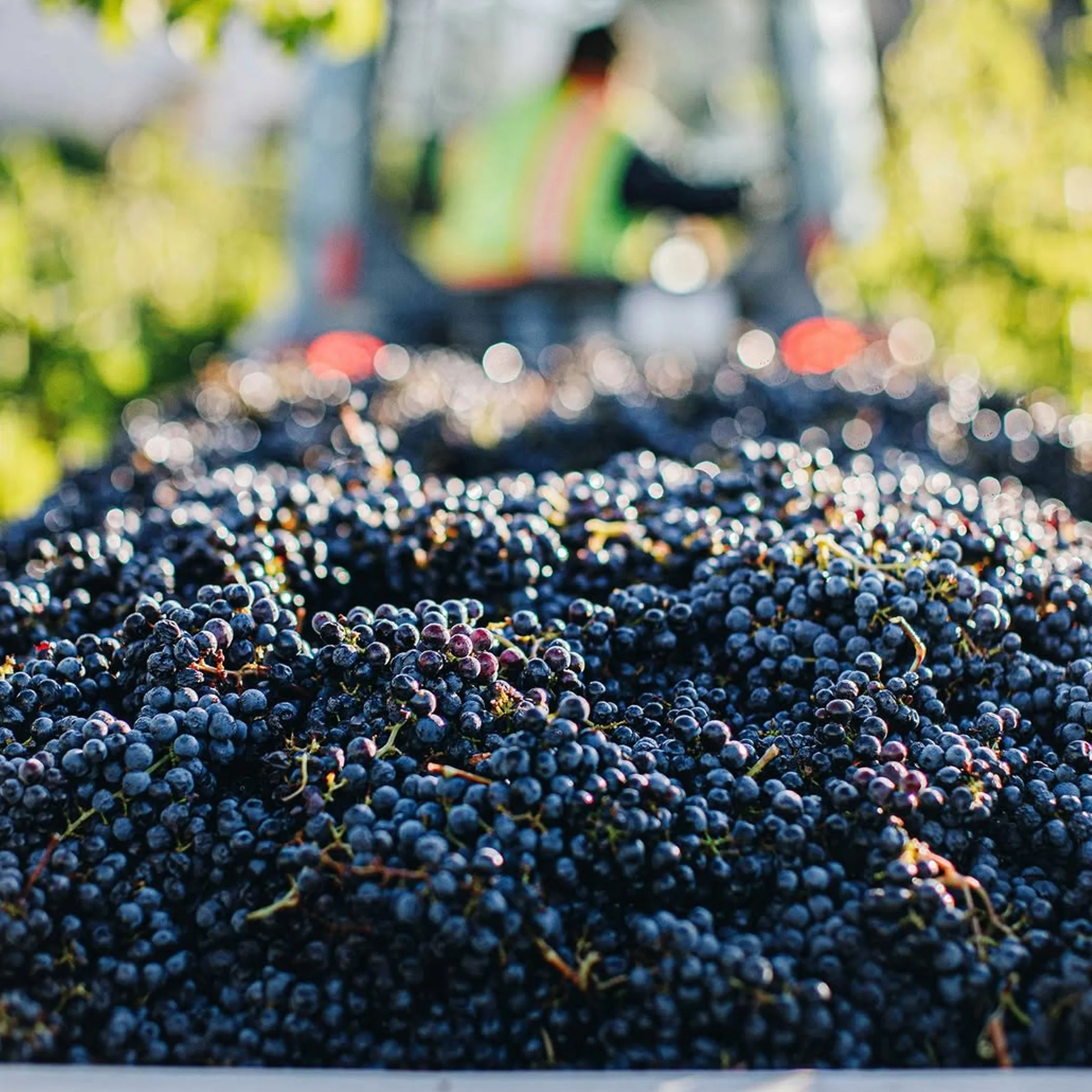
One does not have to look hard to see that hotter seasons, drought, shifting rainfall, bushfires and the odd flood do not yield to a one size fits all solution. The most effective way to deal with such realities is to have a business plan resilient enough for a couple of hard vintages, to select for heat-tolerant grapes and to be more discerning in site selection and vineyard monitoring. Water-efficient viticulture is part of the answer as well.
Then again, you will not find the same issues in every corner of Australia. Riverland is preoccupied with extreme heat and irrigation demands; in Margaret River they are more concerned with what the rain is doing, disease and bushfire potential. Growers in Barossa Valley have to contend with heatwaves and water supply, whereas in Greater Victoria there is room to think about higher altitude or cooler sites. It is less a matter of if the climate has changed than of deciding on the order of your priorities.
I have been in regional Australia long enough to know what is required on the ground by way of reliable access and local knowledge and budgets that make sense, I am Theodore Maris. You need plans that hold up when the weather gets rough as guts. Vineyards are no exception. Resilience in Australian viticulture tends to come from a series of sensible moves, not some showy expenditure. That includes resilient Australian viticulture practices.
The Climate Risks Of 2026
These days the talk of climate change in the industry is not limited to temperature. A grower has to be ready for smoke taint, hail, wind, uneven ripening, floods and the like. It is not at all convenient for a vine to have a month of water deprivation followed by one of excessive rain.
And the risks have a way of compounding. Vines under drought stress are only going to be more susceptible in a heatwave. Or heavy rain before harvest can put off picking, dilute the fruit and bring on disease. A bushfire might not scorch the place but the prospect of smoke taint remains. Any adaptation strategy must take in the whole of the production system, winery contracts and insurance to transport and the roots in the soil.
| Climate Pressure | Likely Effect on the Vineyard | 2026 Response | What to measure |
|---|---|---|---|
| Heatwaves | Sunburn and a quick loss of acidity | Respond with canopy management and an early call on the harvest | Look at the data on berry condition and fruit temperature |
| Drought | Uneven yields and stunted growth | Manage the water budget and keep an eye on soil moisture | Soil moisture, irrigation volume and vine stress |
| Shifting rainfall | The uncertainty of harvest and disease | Plan for drainage and leave the picking window open | Track saturation levels, rainfall totals and disease observations |
| Bushfires/Smoke | Disrupted access and taint | Have an emergency plan and test for it | Check fire alerts, smoke exposure and lab results |
| Floods and storms | Erosion and trellis damage | Make sure you have alternative routes and run down the infrastructure | Storm damage, erosion points and road conditions |
Such categories are for planning purposes, not to be taken as gospel. A given block or variety will put on a different show depending on the season. So the statistics that count are the ones gathered locally over a number of years: maturity dates, yield, water use and the rest.
Temperature and Rainfall
Warmth will hasten development and an earlier harvest, yet speed in ripening is not synonymous with good fruit. The sugar goes up fast but the tannin, colour and acidity may not keep pace, putting the winemaker in the position of having to pick green or put up with a heavier, less fresh product.
Rainfall is another headache. In the inland dry country a poor pattern means more irrigation. Elsewhere in the cooler districts it can mean waterlogging and erosion. And if it rains at flowering time you will have a lower set of fruit; get too close to harvest and you are delaying the machinery and inviting disease.
Let the Data Guide You
Do not base your irrigation on what was done last year. Put together the block history, evapotranspiration figures, forecasts and what you see in the vines. Note the volumes and check them against the chemistry and health of the fruit. A spreadsheet will tell you where you are being wasteful better than any costly dashboard.
The mistake is to view the vineyard as a uniform paddock. Rows vary in slope, exposure and root activity. With precision irrigation a grower can put the water where it is needed and not just dispense it around and let the vines make of it what they will.
Tougher Grape Varieties
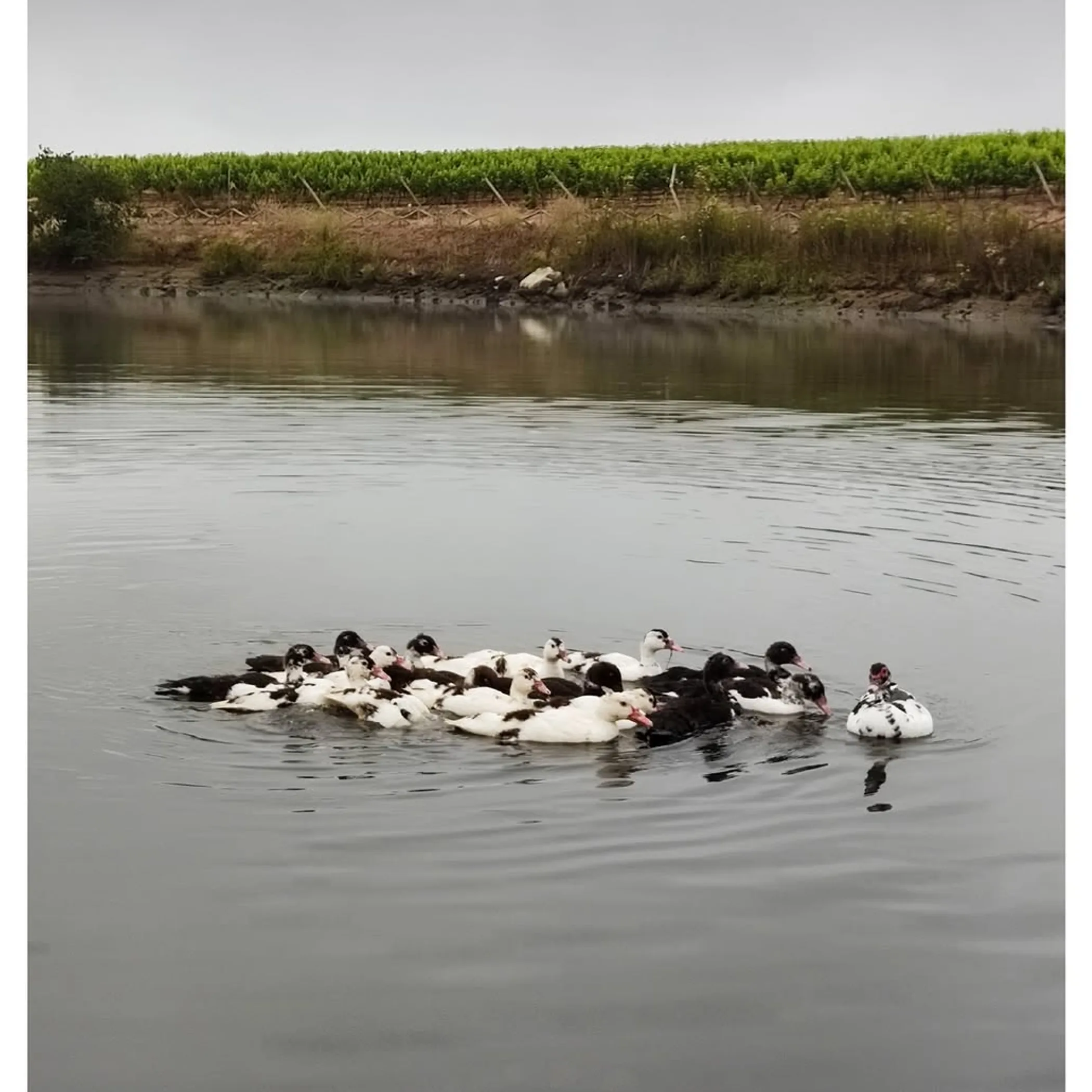
For Australian vineyards, there is no better way to adapt to climate change than in the selection of variety, yet one should not expect an instant fix. There are impediments to replanting: it is a protracted process and contracts often call for the tried and true, while the customer may be slow to put a face to a new name. But then again, a well chosen grape will see less strain on water resources and put harvest timing and fruit quality in order.
Australia has a number of drought-tolerant options from the Mediterranean to think about, Grenache and Nero d’Avola being two, as are Mourvèdre, Vermentino, Sangiovese and Barbera. Producers wanting something for a cooler or transitional site might find Mencía to their liking. In the end it comes down to rootstock, clone, soil and row orientation, as well as how much water is on hand and what style of wine is to be made.
Trial Before Replanting
Replanting with nothing but enthusiasm is not as prudent as a small trial. Put varieties side by side in the same conditions and make your assessment of everything from crop load and acidity to flavour development, disease and the demands on water. One district can suit a variety that will have trouble a few kilometres off. Theories are fine until you put some wine to them.
Even the hardiest of vines requires sound management; do not think a drought-tolerant plant is a talisman against extreme heat or bad irrigation. Make clonal and rootstock choices on the back of local counsel and with an eye to the long term.
Water From the Soil Up
Efficient viticulture is about more than turning on the tap. Get to grips with where water is going and cut down on evaporation. Proper mulching, control of floor vegetation and organic matter will go a long way to steady the root zone.
Then there is the question of budgeting for the season, establishment blocks, frost and any changes in allocation. If a vineyard has run through its supply early on, it will be hard pressed when the growing season gets tough. An expensive lesson to learn that the billy is empty.
Precision Irrigation
Drip systems offer better control but they are not efficient by virtue of being installed. See to the pressure and emitter performance, check for leaks and uniformity. Do not put your soil moisture monitors where the post is most convenient, but at the right depth and place.
It is best to have firm triggers for irrigation and to re-evaluate after a rain or a heatwave or when the canopy has changed. You do not want to overwater and dilute the fruit or waste what little water there is, nor underwater to the point of lasting stress. The objective is a vine in balance, not one in a permanent state of panic.
Shield the Fruit
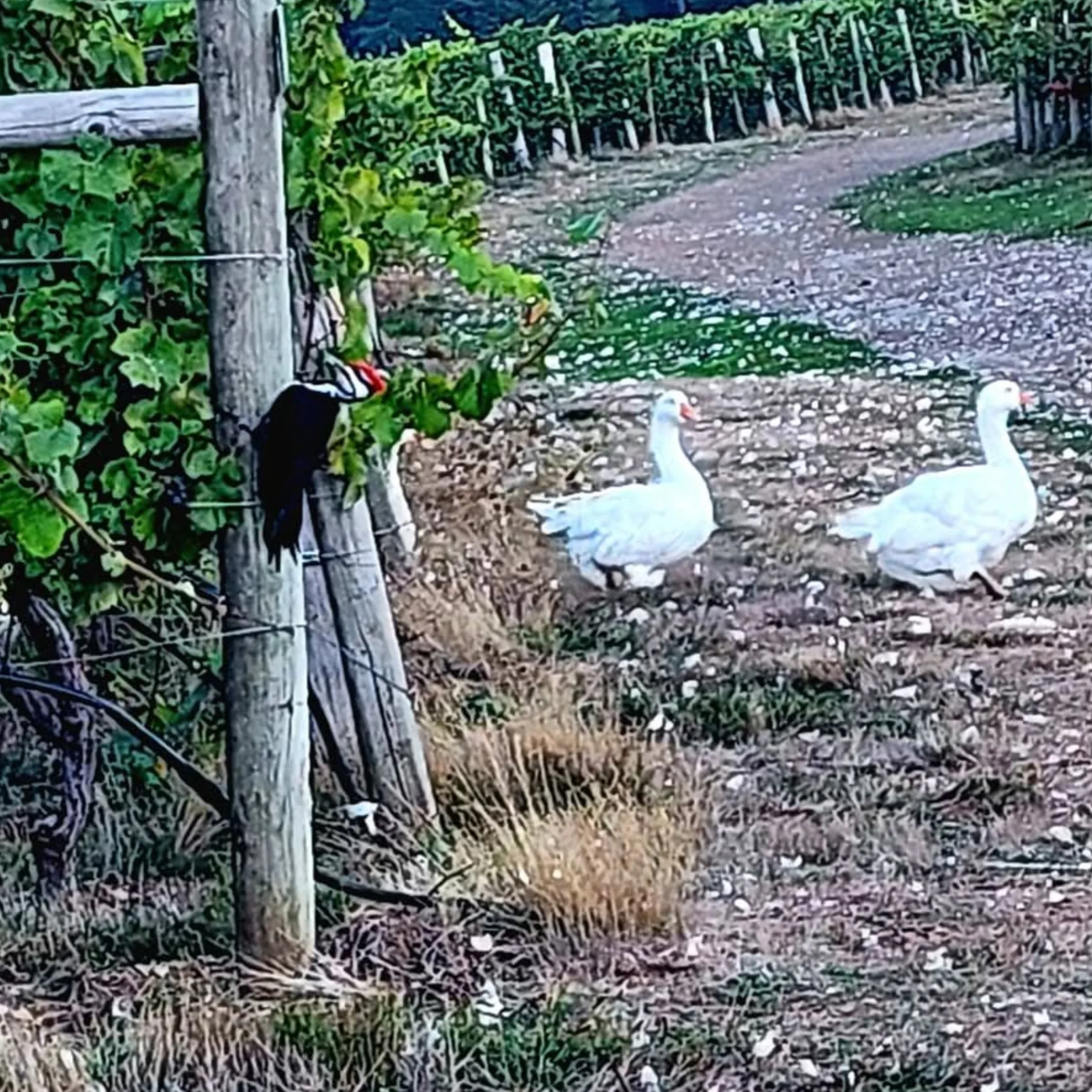
In Australia you have to manage the heat so the leaves can do their work and the fruit does not overheat. Canopy management will give you shade but take too many leaves and the berries are in the sun. On a hot western aspect a trellis system or netting can be of service.
Pruning is another consideration. A delay can put budburst and ripening on a different track in some vineyards, provided the variety and climate allow and there is the labour for it. Try it in a corner first; what works for a young irrigated planting is not the same as for an old dry-grown block.
A Flexible Canopy
Do not make an enemy of every leaf. Some natural cover is preferable to a spotless wall of vines in a hot part of the country if it means the fruit is less exposed and photosynthesis is not impeded.
Have a look at the trellis for resilience to wind and storm. Weak anchors and damaged posts will cause headaches when a storm hits in the middle of a busy time. It is better to do your rounds before the weather turns and leave the access tracks open for the emergency services and your own machinery.
- Make note of canopy density and vine stress, and how the fruit is exposed.
- Check the condition of trellis and irrigation lines, erosion points and the like.
- Record yield, sugar, acidity and the state of the fruit at harvest.
- After the vintage is done, review the trials in pruning, shade and irrigation.
Cooler Sites
There will be more of a premium on the cool-climate regions Australia has come to depend on as producers want to hold on to acid and let things ripen at their own pace. Higher altitudes afford cooler temperatures but they do not insulate you from risk. You can be caught out by the cost of infrastructure, short seasons, wind or frost.
When choosing a site you need to factor in elevation, aspect, slope and the security of water and power, to say nothing of fire risk and road access. A site that is cool but cannot be supplied or harvested with any reliability is hardly resilient. I have seen enough remote regional routes planned by travellers to know that a couple of kilometres of rough track can be a logistical headache once the rain has been heavy.
Test The Full Business Case
Any expansion should be put to the test: weigh up the outlay for land, trellising, irrigation and frost protection as well as roads, power and labour against what one can expect in production value. Do not forget the cost of getting equipment to the winery or of an emergency access. While a day on site will tell you something, a proper assessment has to account for the wet and dry over the course of a year.
There is room for cooler sites to add to the regional mix, yet they ought to be an adjunct to current production, not a straight substitute. If the varieties, harvest windows and sites are of a different order altogether, a mixed portfolio is a way to hedge your climate and market risk.
Lessons From Key Regions
The Australian wine industry’s need for climate adaptation is very much of its place; one district may have no trouble with a given approach while another finds it problematic. Producers can put their own experiences in context with the help of local grower groups, Wine Australia and the policy work of Australian Grape & Wine, as well as viticulture networks in the region.
Barossa Valley And Riverland
For Barossa Valley producers heat management is likely to come first, along with water security, protecting the canopy and choosing varieties that do not lose their balance in the warmth. Grenache and the like are fair game for discussion but in the end performance is down to style and site.
In the Riverland the vineyards are hard pressed by the heat and the call for irrigation. One has to be efficient with infrastructure and make water budgeting and soil moisture monitoring top of the agenda. Decisions on timing during flowering and ripening can have an impact on yield and quality so planning for extreme heat is advisable.
Margaret River And Greater Victoria
A maritime influence is a benefit in Margaret River but it offers no immunity from wind, bushfire, smoke taint, heavy rain or a change in the seasons. Minding the canopy, having fire plans and keeping an eye on disease are still called for.
Greater Victoria presents all manner of climates and elevations. Some will want to look at a cool slope or higher ground, others will be more concerned with transport resilience, hail and frost. A good deal of it comes down to managing the block and diversifying the site.
Strengthen The Business Plan
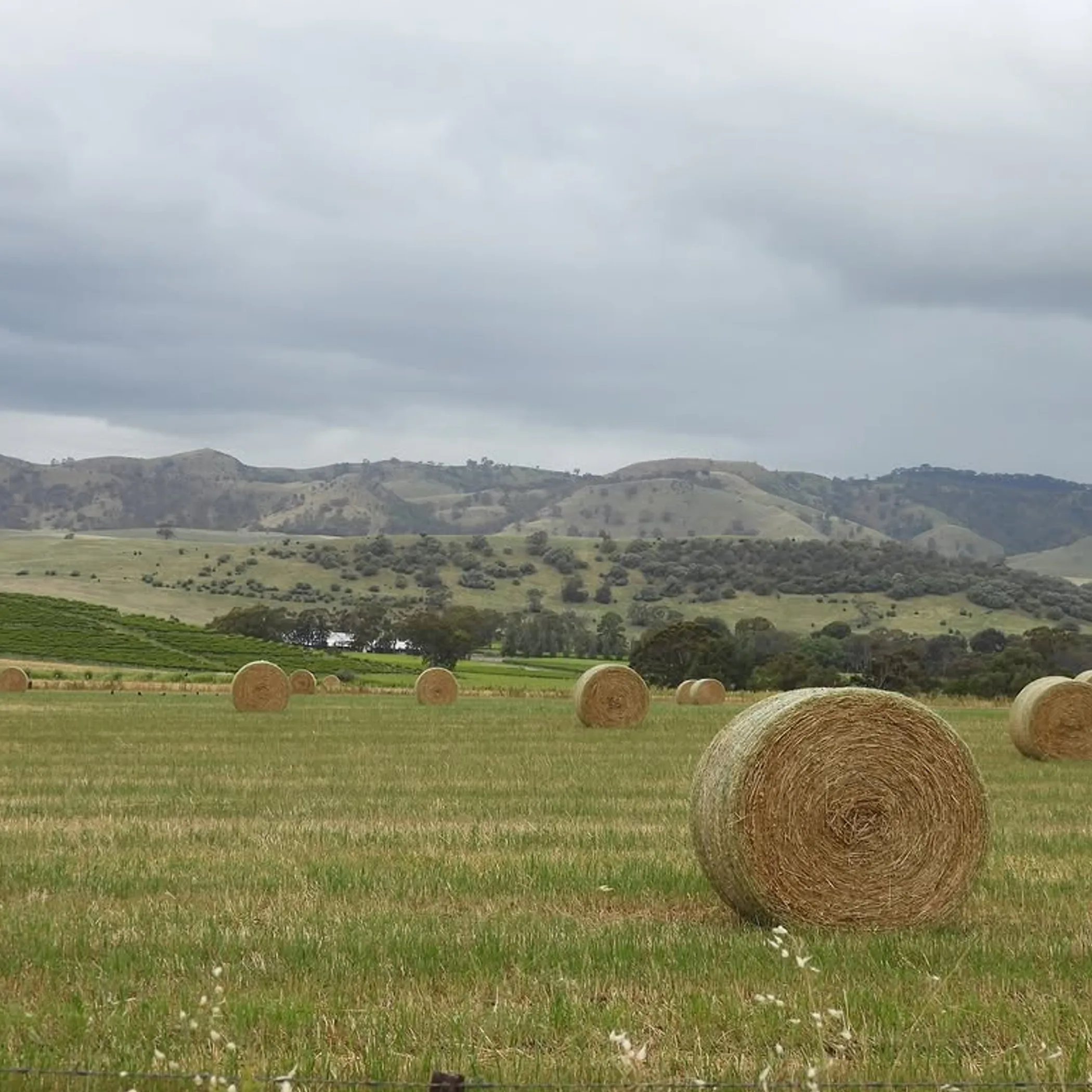
It is a matter of finance and people as much as anything. When a road is closed or the harvest is early a vineyard must have the cash flow, the decision making ability, the labour and the equipment to see it through. Relying on a single contractor, water source or date for the harvest leaves a plan wanting.
To be sustainable in Australia means tying business survival to environmental practice. There is practical value in having better information on everything from chemical use and waste to worker safety, energy and the state of the soil, even if ESG reporting is of interest to an investor or buyer.
Diversification of the vineyard might mean new varieties, tourism, direct sales or longer term supply deals, but it should not be done at random. Put some money into mitigating the risks that would do the most damage to the business.
With regard to smoke taint and bushfires, document alternative routes and have open lines of communication with neighbours, staff, testing providers, the winery and emergency services. For any immediate advice on fire or road conditions turn to the local authorities, and the Bureau of Meteorology for official warnings and climate data.
Five Questions Growers Ask
How Is Climate Change Affecting Wine Regions?
By altering the timing of rainfall, temperatures and water needs and making disruptive events more common or severe. It will vary from one block to the next. Drought and heatwaves can cut yields or make for difficult calls at harvest time, warmer weather may hasten ripening.
Which Grapes Suit Hotter Conditions?
Australian producers could do well to consider Mediterranean types such as Barbera, Sangiovese, Vermentino, Mourvèdre, Nero d’Avola and Grenache. In a transitional or cooler spot Mencía has its place. Rootstock, clone, soil and the wine you want to make will dictate the right choice.
How Can Vineyards Reduce Water Use?
Do not be uniform in application when the soil and vines require otherwise. Employ block level triggers, check for leaks and monitor the soil. Precision irrigation and water budgeting are key, as is improving the soil’s ability to hold moisture.
Can Cooler Sites Protect Production?
They can prop up acidity and put the brakes on ripening but then there are the hazards of wind, frost and the like to contend with, not to mention the infrastructure and access issues. They are part of an adaptation plan but no sure thing.
How Are Growers Handling Extreme Weather?
With a degree of flexibility in the harvest and better drainage, fire-safe access and diversified sites and varieties. Smoke monitoring and a robust emergency plan are de rigueur. Local technical advice and official warnings are to be heeded since things can turn on a dime.
Make The Next Vintage Stronger
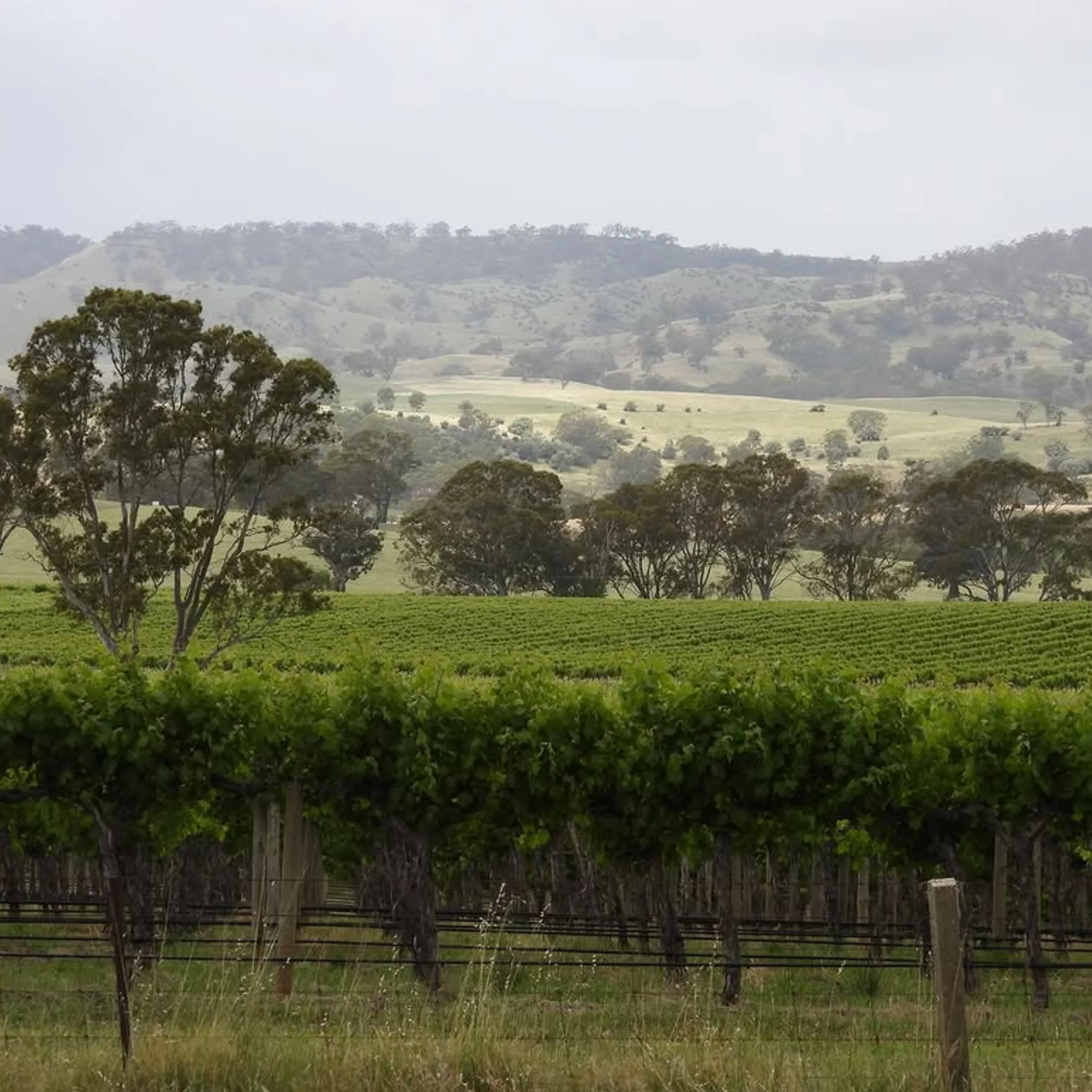
Practicality is the name of the game for 2026. Assess the cooler sites, put in some trial varieties, improve the soils and be ready for flood, smoke and fire. Take the evidence and build on it, beginning with the block or risk that is most costly.
From the southern slopes to the dry inland country, adaptation has been part of the fabric of Australian wine. In the years to come the producer who is willing to record what works and have the flexibility to alter his course will be the one to show for it. It is not exactly glamorous, but then again neither is fixing a trellis in forty degree heat. Best to get the planning done while the weather is amenable.
